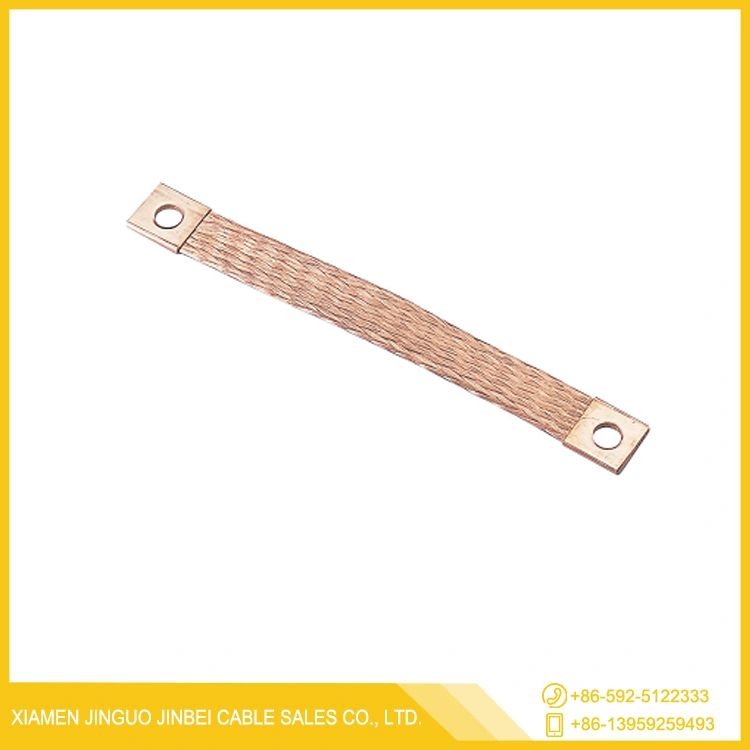
Copper Laminated Flexible Connectors are increasingly important components in modern electrical power distribution systems. As industrial equipment becomes more compact and electrical loads continue to increase, reliable connections between conductive components are essential. These connectors provide an adaptable electrical connection while accommodating mechanical movement, vibration, and thermal expansion that can occur during normal equipment operation.
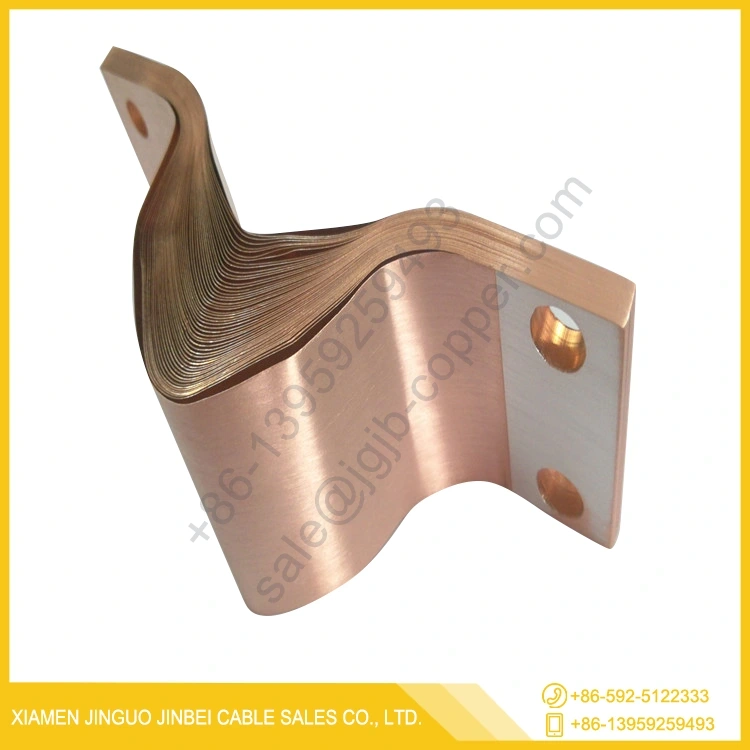
Laminated flexible connectors are generally manufactured by stacking multiple thin copper foils and joining their ends through specialized welding or bonding processes. This construction creates a conductive connection that can bend more easily than a solid copper bar of comparable cross-sectional area.
Copper is widely used in electrical applications because of its high electrical conductivity, thermal performance, and established manufacturing characteristics. By combining multiple copper layers, manufacturers can produce flexible connection components in different thicknesses, widths, and configurations to accommodate specific installation requirements.
One important advantage of laminated copper structures is their ability to accommodate movement between connected electrical components. In industrial environments, equipment may experience continuous vibration, mechanical displacement, and temperature fluctuations. A rigid connection can transfer these forces to terminals and mounting points, potentially contributing to mechanical fatigue over time.
Copper Laminated Flexible Connectors help reduce this mechanical stress by allowing controlled movement within the connection. Their flexible structure can support electrical continuity between busbars, transformers, switchgear assemblies, and other power distribution equipment.
Electrical resistance is another important consideration. The quality of the copper material, effective cross-sectional area, connection geometry, and joining process all influence the overall resistance of an electrical connection. Lower connection resistance can help reduce unnecessary energy losses and localized heating, provided that the connector is correctly selected and installed.
These connectors are used in various electrical installations where both conductivity and flexibility are required. Common applications include power distribution cabinets, transformer connections, industrial control equipment, switchgear, battery systems, and renewable energy installations.
In transformer assemblies, flexible connections can accommodate dimensional changes and vibration during operation. In switchgear systems, they provide adaptable connections between conductive components installed in relatively confined spaces. Battery energy storage systems also require dependable electrical connections capable of handling operating currents and installation-related mechanical requirements.
The appropriate connector configuration depends on several factors, including rated current, operating voltage, available installation space, environmental conditions, and expected mechanical movement. These parameters should be evaluated together rather than relying on flexibility alone when selecting a connection component.
The performance of laminated copper connections depends heavily on material consistency and manufacturing control. Copper purity, foil thickness, dimensional accuracy, surface condition, and joining quality can all affect electrical and mechanical characteristics.
Welding is particularly important because the joined sections must establish a stable conductive path. Inconsistent bonding, insufficient joining, or surface contamination may increase contact resistance and create localized temperature rises under electrical load.
For this reason, manufacturers and equipment engineers commonly consider dimensional inspection, resistance measurement, mechanical evaluation, and temperature-rise testing when assessing connector quality. Testing requirements should reflect the intended application and relevant electrical standards.
Installation practices are equally significant. Contact surfaces should be properly prepared, fastening methods should follow the equipment manufacturer's requirements, and connection points should be protected against unsuitable environmental exposure. Copper oxidation, corrosion, and inadequate contact pressure can influence long-term connection reliability.
As electrification expands across manufacturing, transportation, energy storage, and renewable power generation, electrical connection technology continues to receive attention. Equipment designers are increasingly considering compact layouts, improved thermal management, maintenance accessibility, and mechanical reliability when developing power distribution systems.
Copper Laminated Flexible Connectors represent one practical approach to addressing these requirements. Their layered construction combines the conductivity of copper with mechanical adaptability, making them suitable for applications where rigid connections may introduce unnecessary mechanical stress.
Future developments in this field are likely to focus on more consistent joining processes, improved material utilization, application-specific designs, and more comprehensive performance testing. Ultimately, dependable power transmission requires the coordinated consideration of electrical properties, mechanical conditions, manufacturing quality, and installation practices. Understanding these factors helps engineers evaluate the role of Copper Laminated Flexible Connectors in modern electrical infrastructure.